
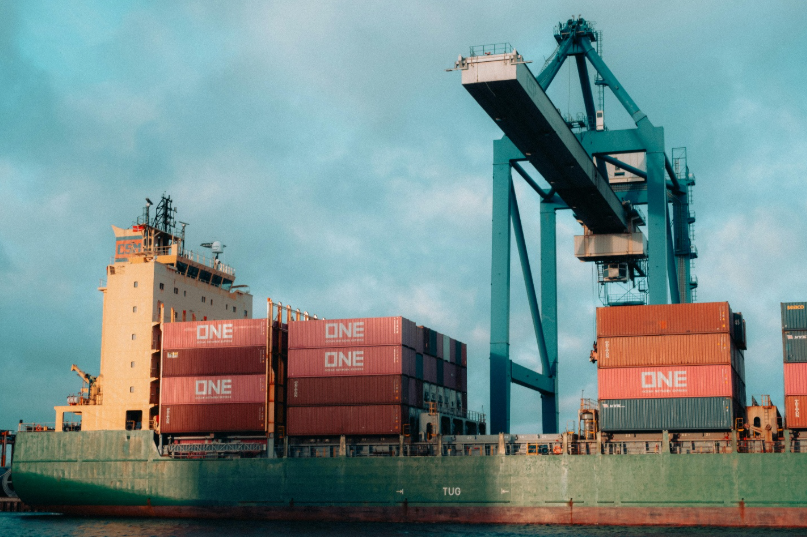
Shipping goods across cities, countries, and continents sounds simple… until you’re the one responsible for it.
One delayed truck can hold up an entire supply chain. One customs issue can freeze a shipment for days. One small mistake in documentation can turn into a costly problem.
Cargo doesn’t just move on its own. It moves through systems, people, paperwork, weather conditions, rules, and timing, all working together. And when even one-part breaks, the whole chain feels it.
That’s why understanding Cargo Transportation Challenges is not just for logistics experts
anymore. It’s for businesses, eCommerce sellers, manufacturers, and anyone who depends on timely deliveries.
In this guide, we’ll walk through the most common Freight Transportation Problems, why they happen, and, most importantly, how to avoid them with smarter Shipping Logistics Solutions.
Why Cargo and Freight Transportation Gets Complicated
At first glance, moving goods from point A to point B seems easy. But modern logistics is global, fast-paced, and highly dependent on coordination.
Today’s Freight Logistics Challenges come from multiple directions:
International borders and customs
Rising fuel costs
Weather disruptions
Human error in documentation
Limited warehouse capacity
Technology gaps in tracking
When all of these combine, even a simple delivery can become complex.
Let’s break down the biggest issues one by one.
1. Cargo Transportation Delays
One of the most frustrating problems in logistics is delays.
Cargo Delivery Delays can happen due to traffic congestion, port backlogs, weather disruptions, or even labor strikes. In international routes, delays often multiply due to customs inspections or documentation errors.
How to avoid it:
Plan alternative routes in advance
Use real-time tracking systems
Work with experienced freight partners
Keep buffer time in delivery schedules
Smart planning is the key to Shipping Delays Solutions. You can’t eliminate delays completely, but you can reduce their impact.
2. Rising Freight Costs and Inefficient Planning
Fuel prices, labor charges, storage fees, and taxes keep increasing. Poor planning leads to empty space in containers or inefficient routes, which increases overall costs.
This is one of the most common Freight Transportation Problems businesses face today.
How to avoid it:
Optimize load capacity to avoid wasted space
Consolidate shipments when possible
Use digital freight management tools
Build long-term contracts with carriers
Good Freight Transportation Management is about balancing cost and efficiency, not just choosing the cheapest option.
3. Customs Clearance Delays
International shipping comes with its own set of rules. Every country has different documentation requirements, import restrictions, and inspection processes.
Missing or incorrect paperwork often leads to Customs Clearance Delays, which can hold shipments for days or even weeks.
This is one of the biggest International Shipping Issues companies faces.
How to avoid it:
Double-check all documents before shipping
Work with customs brokers
Stay updated on import/export regulations
Use digital documentation systems
A small paperwork mistake can become a big financial loss, so accuracy matters more than speed here.
4. Cargo Damage and Loss
Goods don’t always arrive in the same condition they were shipped. Poor handling, improper packaging, accidents, or temperature changes can lead to damage.
This is where Freight Damage Prevention becomes critical.
How to avoid it:
Use strong and proper packaging materials
Label fragile goods clearly
Train handling staff properly
Invest in cargo insurance
Use temperature-controlled transport if needed
Preventing damage is always cheaper than replacing lost goods.
5. Freight Forwarding Problems
Freight forwarders play a key role in managing shipments across borders. But poor coordination, miscommunication, or lack of transparency can lead to serious delays.
These Freight Forwarding Problems often affect tracking, documentation, and delivery accuracy.
How to avoid it:
Choose experienced and reliable freight forwarders
Maintain clear communication channels
Use centralized tracking platforms
Ensure contract clarity before shipping
Strong coordination reduces confusion and improves efficiency.
6. Lack of Visibility in Supply Chains
Many businesses still struggle with knowing where their cargo actually is at any given time.
This lack of visibility creates uncertainty and increases risk across the supply chain, leading to Supply Chain Shipping Issues.
How to avoid it:
Use GPS-enabled tracking systems
Integrate logistics software with suppliers
Automate shipment updates
Improve communication between all parties
Real-time visibility is no longer optional, it’s essential.
7. Cargo Shipping Mistakes
Sometimes, the biggest problems come from simple human errors:
Wrong addresses
Incorrect labeling
Missing documents
Poor communication
Wrong carrier selection
These Cargo Shipping Mistakes can slow down or even stop entire shipments.
How to avoid it:
Use digital order management systems
Double-check all shipment details
Standardize shipping procedures
Train staff regularly
Small mistakes can lead to big disruptions in logistics.
8. International Freight Risks
Global shipping comes with unpredictable risks like:
Political instability
Currency fluctuations
Port shutdowns
Natural disasters
These International Freight Risks are harder to control but not impossible to manage.
How to avoid it:
Diversify shipping routes
Get insurance coverage
Monitor global trade news
Build flexible supply chain strategies
Flexibility is your best protection in global logistics.
9. Weak Logistics Management Systems
Poor coordination between suppliers, warehouses, and transporters leads to inefficiencies.
These Logistics Management Challenges can result in delays, higher costs, and customer dissatisfaction.
How to avoid it:
Use integrated logistics software
Automate inventory tracking
Improve supplier coordination
Analyze performance regularly
Efficient systems create smoother operations.
Final Thoughts
Cargo and freight transportation is no longer just about moving goods. It’s about managing complexity, timing, cost, and global coordination all at once.
The truth is simple: challenges will always exist. But the difference between failure and success lies in how you handle them.
By understanding these Cargo Transportation Challenges, businesses can reduce risks, avoid unnecessary delays, and build stronger supply chains.
Whether it’s solving Freight Transportation Problems, preventing Cargo Delivery Delays, or improving Shipping Logistics Solutions, the goal is the same, move smarter, not harder.
Because in logistics, every minute matters… and every decision counts.