
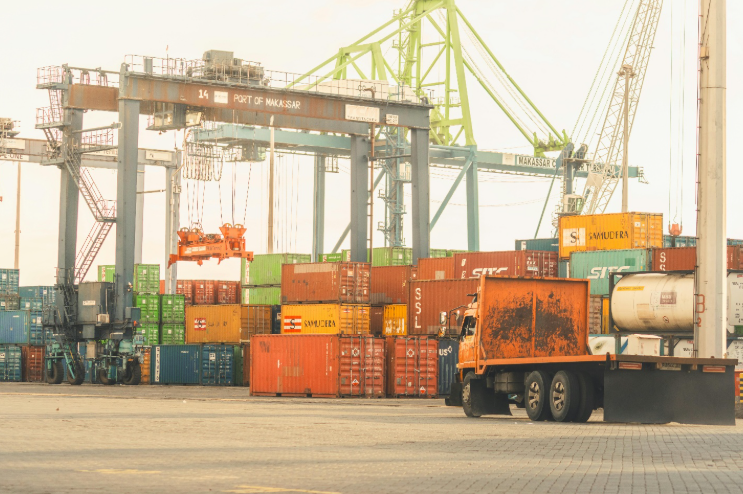
Have you ever wondered how products travel from another city, or another country, straight to your doorstep?
A phone made in Asia reaches a shop in London. Coffee from South America arrives at cafés across Europe. Behind every delivery is a carefully planned system of cargo and freight transportation.
If you are new to shipping, importing, or logistics, terms like cargo, freight, customs, and forwarding can seem confusing at first. But once you understand the basics, it all becomes much clearer.
This beginner-friendly guide will explain what cargo is, how freight transportation works, and
why businesses rely on professional freight transportation services every day.
What Is Cargo?
Let’s start with the simplest question.
Cargo means the goods or items that are being moved from one place to another.
Cargo can include almost anything, such as:
electronics
machinery
clothing
furniture
raw materials
commercial products
household goods
e-commerce parcels
In simple words, if something is being shipped, it is cargo.
For example, if a business sends a pallet of products from the UK to France, those products are cargo.
That is why companies that move goods are often called a cargo shipping company, because their main job is to transport cargo safely and efficiently.
What Is Freight Transportation?
Now let’s move to the second part.
Freight transportation is the process of moving cargo from one location to another.
This can happen by:
Air
Sea
Road
Rail
So here is the easiest way to understand it:
Cargo is the goods. Freight transportation is the movement of those goods.
When people search for freight transport explained, this is usually what they want to understand.
But freight transportation is more than simply putting goods on a truck or plane.
It often includes:
Choosing The Best Shipping Route
Packing The Cargo Properly
Booking Transport Space
Preparing Documents
Customs Clearance
Tracking The Shipment
Final Delivery
That full process is where professional freight transportation services become very valuable.
Why Cargo and Freight Transportation Matters
Most people only see the final delivery.
But behind that delivery is an entire network of planning, coordination, and movement.
Without logistics and freight transportation, global trade would almost stop.
Businesses depend on it every day to:
move stock between suppliers and customers
import products from overseas
export goods to international buyers
keep supply chains running smoothly
In today’s world, global freight transportation keeps businesses connected across countries and continents.
That is why strong transportation and logistics services are so important, not just for large
corporations, but also for small businesses and growing companies.
The Main Types of Freight Transportation
One of the most important things beginners should understand is that not every shipment moves the same way.
The right method depends on speed, cost, cargo size, and destination.
Air Freight
Air freight is the fastest shipping option.
It is commonly used for:
urgent deliveries
valuable products
time-sensitive commercial goods
If a company needs fast international cargo shipping, air freight is often the best solution.
The main benefit is speed.
The main drawback is cost.
That means air freight is ideal when time matters more than price.
Sea Freight
Sea freight is widely used for larger shipments.
It is ideal for:
bulk cargo
containers
heavy equipment
non-urgent goods
Sea freight is one of the most popular options in international freight transportation because it is more cost-effective for large volumes.
Although it takes longer than air freight, it can significantly reduce shipping costs.
Road Freight
Road freight is commonly used for domestic deliveries and cross-border transport across nearby countries.
It is useful for:
pallet deliveries
regional transport
scheduled business deliveries
Road freight often plays an important role in freight delivery services, especially for the final part of the journey.
For example, cargo may arrive by sea at a port and then travel by truck to its final destination.
Courier Freight
Courier freight is usually used for smaller parcels, urgent packages, or business samples.
This service is ideal when speed, tracking, and direct delivery matter.
Many businesses use courier-based freight shipping services for fast and reliable smaller shipments.
How Freight Transportation Actually Works
Now let’s make it practical.
A beginner often asks:
“What actually happens after I ship something?”
Here is a simple step-by-step explanation.
1. Collection
The goods are collected from the sender.
2. Packing
The cargo is packed safely to protect it during transit.
3. Documentation
Shipping documents are prepared.
These may include invoices, customs paperwork, and transport documents.
4. Transport Booking
Space is booked on a plane, ship, or truck.
5. Customs Clearance
For international shipments, customs authorities review the shipment.
6. Transit
The cargo moves toward the destination.
7. Final Delivery
The goods are delivered to the receiver.
That entire process is what businesses usually mean when they talk about shipping and freight services.
What Is Freight Forwarding?
This is another term many beginners hear.
A freight forwarder is a company that arranges the shipment of goods.
They do not always own the planes, ships, or trucks.
Instead, they organize everything needed to move cargo from start to finish.
Professional freight forwarding services can help with:
Route Planning
Shipping Documentation
Customs Support
Cargo Booking
Shipment Coordination
Delivery Scheduling
For businesses new to international freight transportation, freight forwarders make the process
much easier.
They save time, reduce errors, and help avoid costly shipping delays.
Why Businesses Use Cargo Transportation Services
You might wonder:
Why not arrange everything yourself?
Technically, you can.
But international shipping can quickly become complicated.
That is why many companies rely on professional cargo transportation services.
A reliable shipping partner helps businesses with:
Better planning
Professionals know which routes are faster, safer, and more cost-effective.
Customs knowledge
Customs mistakes can delay shipments and increase costs.
Shipment tracking
Modern systems allow businesses to monitor cargo in transit.
Less risk
Proper packing, documentation, and handling reduce problems.
This is where dependable cargo logistics solutions become essential.
What Makes International Freight Transportation Different?
Domestic shipping is usually simpler.
But international freight transportation involves more steps.
For example:
customs regulations
import duties
export documentation
international compliance rules
different carriers and transport networks
That is why international cargo shipping often needs more planning and experience.
A trusted logistics partner can make international shipping much smoother.
Choosing the Right Freight Shipping Service
Not every shipment needs the same solution.
The best shipping method depends on your goals.
Ask yourself:
Is speed your priority?
Choose air freight.
Is cost your priority?
Choose sea freight.
Is it regional delivery?
Road freight may be ideal.
Is it small and urgent?
Courier freight may be best.
Choosing the right freight shipping services can save both time and money.
The Bigger Picture: Logistics and Freight Transportation
Freight is only one part of the supply chain.
The bigger system is logistics.
Logistics and freight transportation work together to ensure goods move efficiently from origin to destination.
This includes:
Warehousing
Inventory Handling
Transport Planning
Customs Support
Route Management
Delivery Coordination
That is why many modern businesses depend on complete transportation and logistics services, not just basic delivery.
Final Thoughts
Now you know the basics: cargo is the goods being shipped, and freight transportation is the movement of those goods.
Whether by air, sea, road, or courier, reliable freight transportation services help businesses move products safely and efficiently across borders.
If you are planning your first shipment or exploring import and export opportunities, understanding cargo and freight transportation is the first smart step. Once you know the process, shipping feels much simpler