
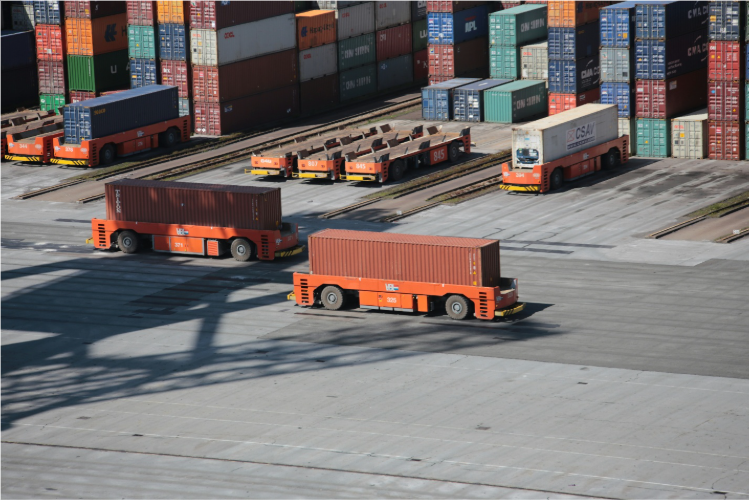
Shipping goods across borders sounds exciting. Your products go global, your business grows, and new markets open up. But behind this “simple idea” lies a complex system that many businesses underestimate.
And here’s the truth most people realize too late:
International cargo shipping is not just about moving goods, it’s about managing details, rules, timing, and risks.
Even a small mistake can turn into delays, extra costs, or lost shipments.
In this guide, we’ll walk through the most common Cargo Shipping Mistakes businesses make, and how to avoid them in a simple, practical way.
Why International Cargo Shipping is More Complex Than It Looks
At first glance, International Cargo Shipping may look like:
“Pack it, ship it, deliver it.”
But in reality, it involves:
Customs regulations in different countries
Shipping documentation
Freight coordination
Packaging standards
Delivery timelines
Import/export laws
That’s why even experienced companies sometimes face International Shipping Mistakes that cost time and money.
Let’s break down where things usually go wrong.
1. Shipping Documentation Errors (Most Common Mistake)
One of the biggest issues in global trade is Shipping Documentation Errors.
Even a small mistake in paperwork can stop your shipment at customs.
Common issues include:
Incorrect invoice details
Missing HS codes
Wrong product descriptions
Incomplete export forms
These errors often lead to Customs Clearance Mistakes, which can delay shipments for days or even weeks.
Simple tip:
Always double-check documents or work with an expert in International Logistics Tips before shipping.
2. Ignoring Customs Rules and Regulations
Every country has its own import laws. What is allowed in one country might be restricted in another.
Many businesses face Import Shipping Mistakes because they:
Don’t check restricted items
Miscalculate duties and taxes
Miss required certifications
Result? Goods get stuck, returned, or even destroyed.
Understanding customs properly is one of the most important parts of International Freight Shipping Guide planning.
3. Poor Packaging Decisions
Never underestimate packaging.
Weak packaging leads to:
Broken goods
Damaged shipments
Customer complaints
Financial losses
This is one of the most overlooked Cargo Shipping Mistakes in global trade.
Remember:
International transport involves long journeys, multiple handling points, and sometimes rough conditions.
Good packaging is not an expense, it’s protection.
4. Unrealistic Delivery Expectations
Another major issue is assuming delivery timelines are fixed.
In reality, Overseas Shipping Problems can happen due to:
Weather delays
Port congestion
Customs inspections
Transportation issues
Businesses often promise fast delivery without considering real-world delays, which damages customer trust.
5. Ignoring Hidden Shipping Costs
Many companies only calculate basic shipping rates and forget the rest.
But International Cargo Shipping includes:
Insurance
Customs duties
Handling fees
Storage charges
Fuel surcharges
These hidden costs can seriously affect profit margins.
A smart Freight Shipping Company always provides a full cost breakdown before shipping.
6. Choosing the Wrong Freight Partner
Your logistics partner can make or break your shipping experience.
Many businesses fall into Freight Forwarding Mistakes by choosing providers based only on low prices.
Problems include:
Poor tracking systems
Communication gaps
Delivery delays
Lack of support during customs issues
A reliable partner is essential for smooth Cargo Shipping Services.
7. Not Insuring Cargo
Some businesses skip insurance to save money.
But this is a risky move.
If anything goes wrong:
Damaged goods
Lost shipments
No compensation
Insurance is not optional; it’s protection against uncertainty.
8. Poor Planning in International Logistics
Many Export Shipping Mistakes happen due to lack of planning.
Businesses often:
Don’t forecast demand properly
Don’t plan inventory
Ship at the last minute
This leads to stress, delays, and higher costs.
Good planning is a key part of International Logistics Tips that professionals always follow.
9. Ignoring Tracking and Communication
Modern shipping is data-driven. Yet many businesses fail to track their shipments properly.
Without tracking:
You don’t know shipment status
You can’t update customers
You lose control over delays
Real-time tracking should be part of every Freight Shipping Company service.
10. Not Learning from Past Mistakes
One of the biggest long-term problems is repeating the same errors.
Businesses often fail to analyze:
What went wrong in previous shipments
Where delays happened
Which documents caused issues
Continuous improvement is key in mastering International Freight Shipping Guide practices.
Final Thoughts
International shipping is powerful for business growth, but only when done right.
Most problems don’t come from shipping itself, but from avoidable mistakes like:
Documentation errors
Poor planning
Weak packaging
Ignoring customs rules
Wrong logistics partners
The good news?
Every mistake in International Cargo Shipping is preventable with the right knowledge and preparation.
If you treat shipping as a structured process, not just transportation, you’ll save money, reduce stress, and build stronger global operations.